Home staging: which changes help you sell a property faster
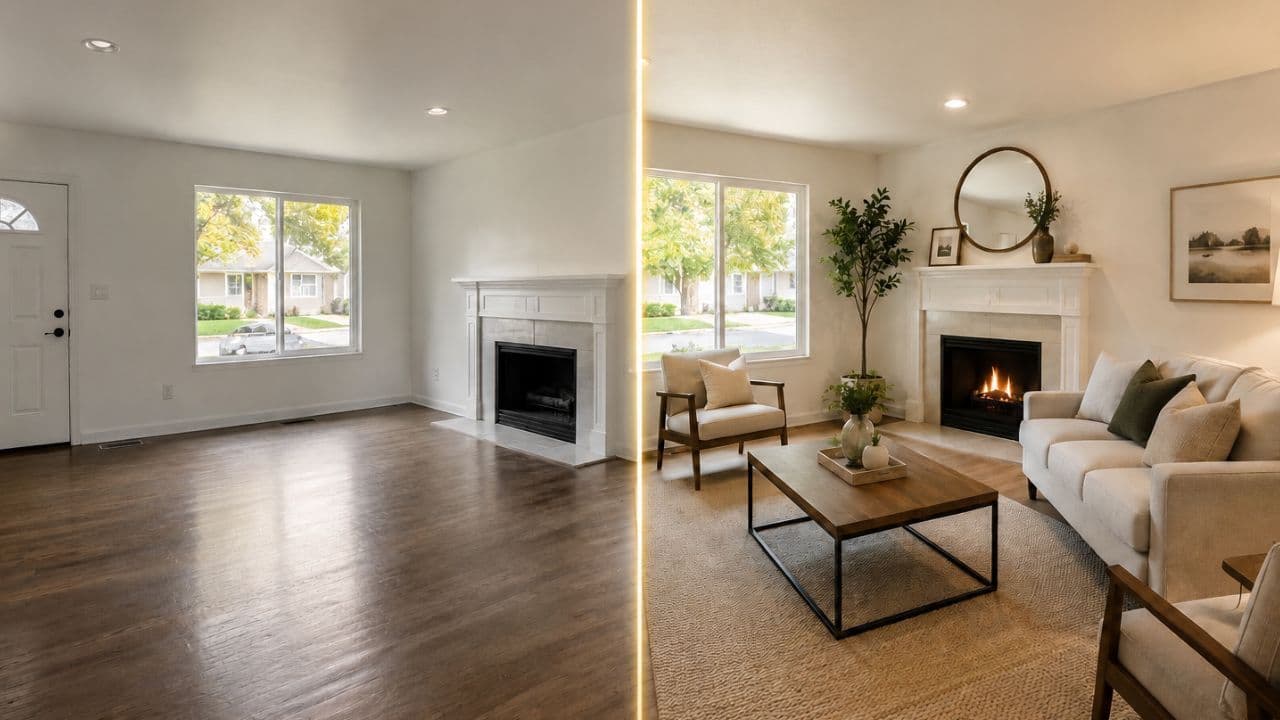
Find out which home staging changes help you sell a property faster and make a better first impression.
Selling in Vilanova i la Geltrú or the Garraf? This is how we do it, area by area. And if you'd like a figure first, ask for a free valuation.
When someone visits a property for the first time, they usually decide within a few minutes whether they can imagine themselves living there. For this reason, how the property is presented plays a key role in the sales process.
The aim of home staging to sell a property faster is not to hide defects or carry out major renovations, but to present the property in the most attractive way possible so that it generates interest from the very first moment.
In a market where buyers browse dozens of listings every week, making a good first impression can be the difference between getting viewings and going unnoticed.
Key points
It is about presenting, not renovating. Home staging does not aim to hide defects or carry out major work, but to present the property in the most attractive way possible through small changes.
The first impression comes from the photos. Most buyers make a first selection online; if the photographs don't catch their eye, the property may not even get a viewing.
Less clutter, more space. With too much furniture or too many personal items, it is hard to see the actual space. There is no need to empty the home, just to simplify it and keep the décor neutral.
Small defects matter more than they seem. A blown light bulb or a dripping tap suggests a lack of maintenance, and fixing them is usually inexpensive.
Cleanliness is still decisive. A clean home conveys care and trust; a messy or unclean one creates a negative impression that is hard to correct later.
It doesn't replace a proper valuation. A perfectly presented but overpriced property will still struggle to sell.
What exactly is home staging?
Home staging means preparing a property for sale by improving its visual appearance and highlighting its strengths.
Unlike a renovation, it does not try to completely transform the property. It focuses on small changes that help more buyers feel connected to the space.
The technique originated in the United States and is now used in many property markets around the world.
According to various real estate sector studies, a well-presented property tends to attract more attention on property portals and generate more viewings.
You can find information on property marketing trends here: the idealista news section
The first impression starts with the photographs
Nowadays, most buyers make a first selection online.
If the photographs don't catch their eye, the property may not even get a viewing in person.
That is why it is important to:
Open the blinds and curtains.
Make the most of natural light.
Tidy every room.
Remove excessive personal items.
Keep the décor neutral.
Good photographs help convey spaciousness, brightness and the feeling of a home.
Getting rid of excess clutter
One of the most common mistakes is showing homes that are too full.
When there is too much furniture, too many ornaments or personal items, buyers find it harder to see the actual space.
It is not about emptying the property completely, but about simplifying it.
Some examples:
Take down family photographs.
Reduce decorative items.
Clear the worktops.
Organise the wardrobes.
Remove unnecessary furniture.
The more open the property feels, the more spacious it will seem.
Small repairs that are worth it
Often you don't need to invest thousands of euros to improve the look of a property.
There are small, inexpensive changes that can have a significant impact:
Paint walls that are in poor condition.
Replace blown light bulbs.
Fix dripping taps.
Adjust doors that don't close properly.
Check damaged sockets or switches.
Buyers tend to associate these small defects with a possible general lack of maintenance.
Neutrality before personality
An overly personalised home can make it harder for buyers to imagine themselves living there.
For this reason, it is usually advisable to opt for:
Light colours.
Neutral textiles.
Uncluttered spaces.
Simple décor.
Good lighting.
The aim is for as many people as possible to feel comfortable during the viewing.
Not every property needs a renovation
One of the great myths of the property sector is thinking that you have to completely renovate a property before selling it.
In reality, a proper presentation is often enough to significantly improve how buyers perceive the property.
If you are considering doing building work, you may be interested in our article Should you renovate before selling a property?
In some cases a renovation can be worthwhile, but in others the investment is not recovered.
The importance of cleanliness
It seems obvious, but it is still one of the most decisive factors during viewings.
A clean home conveys:
Care.
Maintenance.
Trust.
The feeling of a home.
On the other hand, a messy or unclean home can create a negative impression that is hard to correct later.
Home staging and price: the perfect combination
Home staging helps improve how the property is perceived, but it doesn't replace a proper valuation.
A perfectly presented but overpriced property will still struggle to sell.
That is why we always recommend combining good presentation with a price that reflects the reality of the market.
You can find more information in our article Mistakes when selling a property.
Conclusion
Applying home staging to sell a property faster can help you stand out from other similar properties and make a better first impression, both on property portals and during viewings.
You don't need to make large investments. In many cases, tidying, cleaning, clearing spaces and fixing small details is enough to significantly improve the look of the property.
When a property is presented properly from day one, it is more likely to receive more interest, more viewings and, as a result, more opportunities to sell.
Keep reading

Thinking of selling?
We call you, come and see it, and tell you what it's worth and how we'd sell it.