Selling an officially protected (HPO) flat in Catalunya: price and procedures
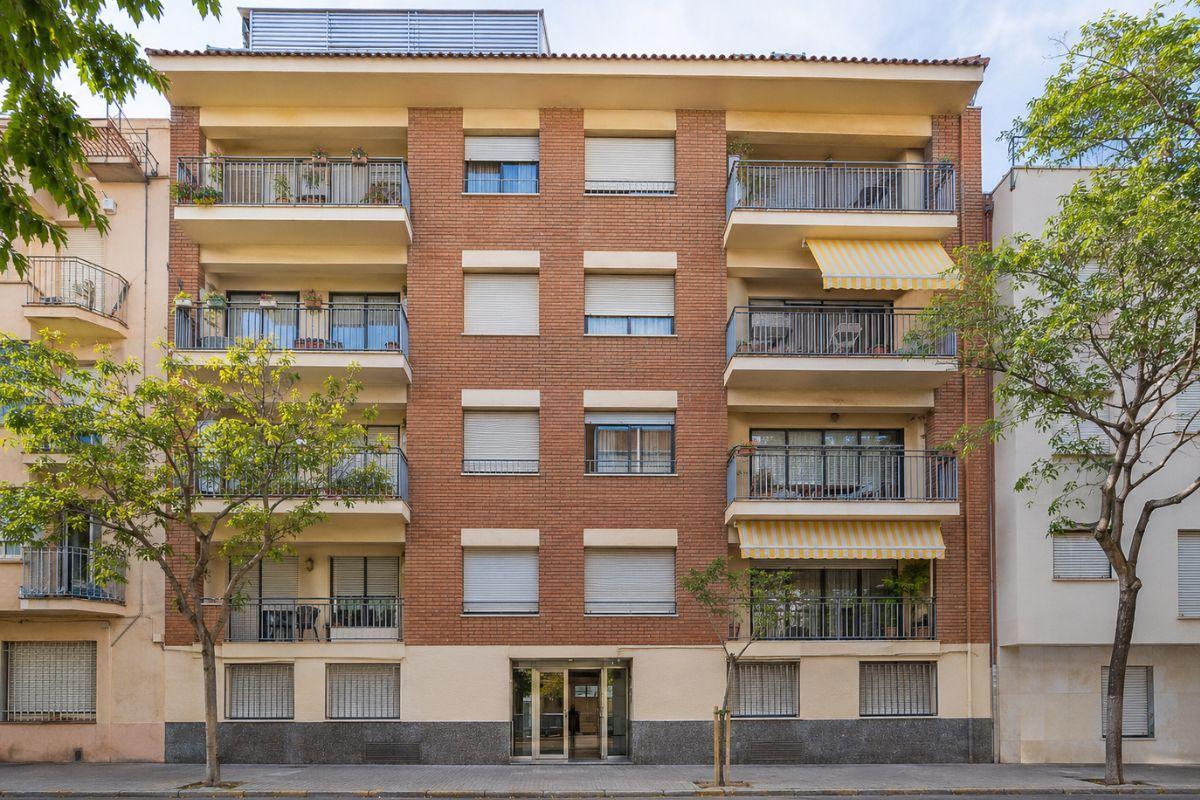
Selling an HPO flat in Catalunya: maximum price, the Generalitat's option to buy, contract approval and buyer requirements, step by step.
Selling in Vilanova i la Geltrú or the Garraf? This is how we do it, area by area. And if you'd like a figure first, ask for a free valuation.
Selling officially protected housing (HPO) is possible, but it doesn't work like an open-market sale. There's a maximum price, the buyer has to meet certain requirements and the Catalan government (the Generalitat) has priority to buy it before anyone else. If you skip a step, the sale can be void.
The good news is that it's all regulated and can be checked before you start. We explain how to tell whether your flat is still protected, what price you can ask and which procedures you need to go through with the Agència de l'Habitatge de Catalunya, the Catalan housing agency.
The essentials
While the classification lasts, the home stays protected. And in Vilanova i la Geltrú, as a stressed housing market area (zona tensionada), the classification remains for as long as that declaration lasts.
The price is capped. On a resale, the maximum is the price in the final classification (calificación definitiva), updated with the consumer price index (IPC). Any amount above that is void.
The Generalitat has an option to buy (derecho de opción). You have to notify it before selling, and it has two months and fifteen days to decide.
The buyer must be listed in the register of applicants (Registre de sol·licitants). And has to use it as their habitual, permanent home.
The contract needs the Agència's approval (visado). Without it, the sale is void.
How do I know if my home is officially protected?
The final classification has to be recorded at the Land Registry, so the quickest way to check is to request a land registry extract (nota simple). It will show whether the home is protected, the file number and the restrictions that affect the sale.
Other documents that confirm it:
The purchase deed. It usually has the final classification decision attached, which sets the starting price.
The file number. Since 2002 it has followed the format ‘08-B-XXXX-XX’; the last two digits show the year of the application.
A query to the Agència. The information on a protected home (habitatge protegit) request is free and tells you which rules apply, how long the classification lasts, the maximum price, the buyer requirements and whether the Generalitat has an option to buy. It can take up to three months, so it's worth requesting before you put the home on the market.
How long does it stay protected?
It depends on when and how it was classified. The Llei 18/2007, del dret a l'habitatge, Catalunya's right to housing law, distinguishes between (art. 79):
Classification with no time limit while the land is reserved for protected housing in the town plan, the home is part of a public housing stock or a specific programme provides for it.
Classification with a time limit in all other cases, depending on the rules under which it was classified. Homes classified under earlier rules keep the period stated in their final classification.
Since 1 January 2026 there's a new rule that directly affects Vilanova: the classification of a protected home in a stressed residential market area lasts for as long as that declaration lasts (art. 79.5, added by Llei 11/2025). It also applies to homes classified before that date. Vilanova i la Geltrú is a stressed area and the Generalitat extended the declaration in October 2026, so an HPO in Vilanova stays protected for as long as the extension is in force.
Can you ask for it to be declassified? No. Only the authorities can declassify a home, in the public interest, and never if the land is reserved for protected housing (art. 79.3). If you have questions about your specific case, the query to the Agència gives you the official answer.
How much can I sell it for?
On a second or later sale, the maximum price is the one set in the final classification, updated by the change in the IPC from the year of classification to the year of the contract (art. 83.2). You can sell for less, but not for more.
Charging above the maximum is no small risk: the excess is void and the law treats it as a very serious offence (arts. 84 and 123). That includes separate payments for furniture, a parking space or anything else that hides a higher price.
The Generalitat publishes how maximum prices on resales are calculated and has a calculator. For older homes, rates per square metre of usable floor area apply, which the Agència updates every year. As the result depends on each home's rules and date, the sensible thing is to have the maximum price confirmed before you advertise it.
Who can buy it?
Not just any buyer. They have to meet these requirements:
Be listed in the Registre de sol·licitants d'habitatge amb protecció oficial (arts. 85 and 92). They can register through the Registre's online procedure or at the town council's Oficina Local d'Habitatge, in the plaça de la Vila.
Not exceed the income limits. The limit depends on the rules under which the home was classified, the scheme and the number of people in the household.
Use it as their habitual, permanent home. It can't be a second home or be let out (art. 78).
This narrows down the pool of possible buyers, so it's worth knowing from the outset who you're aiming at. The buyer's registration can take up to three months to be processed; if the person who wants to buy from you isn't registered, the timeline gets longer.
What is the Generalitat's option to buy?
While the classification is in force, the Generalitat has an option to buy the home and the right to take the buyer's place after a sale (derecho de retracto, art. 87). In other words, it can buy it before anyone else, paying at most the legal maximum price.
How it works:
You notify it before selling. The notice includes the home's details, the title deeds, the planned form of sale and its terms. On a resale it also includes the certificate of habitability (cédula de habitabilidad) and the reason for the sale (art. 89).
The authorities have two months, plus fifteen days on resales, to buy it or put forward a buyer from the Registre (art. 90).
If they don't, you can sell it yourself to a registered buyer on the terms you notified.
If you sell without notifying, before the period ends or on terms different from those notified, the Generalitat can exercise its right to take the buyer's place and keep the home (art. 91). The notary will also require proof of the notices, and the Land Registry won't record the sale without them. The Generalitat's protected housing website specifies that this notice applies to homes classified from 2005 onwards.
It shouldn't be confused with the right of first refusal (tanteo) the Generalitat holds over some open-market homes, or with the tenant's, which we explain in our article on selling a flat with a tenant.
What procedures are there with the Agència?
Contract approval (visado). The sale contract has to be approved before the public deed is signed (art. 85). The Agència checks that the buyer meets the requirements and is registered, that the price doesn't exceed the maximum and that the contract includes the mandatory clauses: file number, price, a commitment to use it as a habitual home and a ban on letting it, among others. You apply through the approval of protected home sales procedure, there are no fees and the Agència has one month to reply (three for homes from before 2005). Without the visado, the sale is void (art. 85.5).
Permission to sell, if you received purchase grants. According to the Generalitat's FAQs, if you bought with a subsidised loan (préstamo cualificado) or grants and sell within the first ten years, you need to ask for permission, repay the grants with statutory interest and pay off the subsidised loan. After ten years you need neither permission nor repayment, but the visado and the maximum price are still mandatory.
All of this comes before signing at the notary. That's why the usual order changes compared with an open-market sale: first the maximum price and the buyer are confirmed, then the notice is given and the contract approved, and finally it's signed. If you want to see how a standard sale works step by step, it's in our guide to the sales process, and the papers that are always requested are in the documents you need to sell.
What if the classification has already expired?
Once the classification is no longer in force, the home is no longer subject to the maximum price, the buyer requirements or the option to buy, because the law ties them to the classification being in force (arts. 79 and 87). From then on it's sold like any open-market home.
Before assuming it's no longer protected, check: with the stressed-area rule, a Vilanova home whose period seemed to be over may still be classified. The Agència's reply to the information request is what gives you certainty, and it's the first thing the buyer's notary will ask for.
If you have a protected home in Vilanova i la Geltrú or elsewhere in the Garraf and want to know where to start, tell us about your case.
Keep reading


Thinking of selling?
We call you, come and see it, and tell you what it's worth and how we'd sell it.