Living in Vilanova i la Geltrú: prices, train to Barcelona, districts
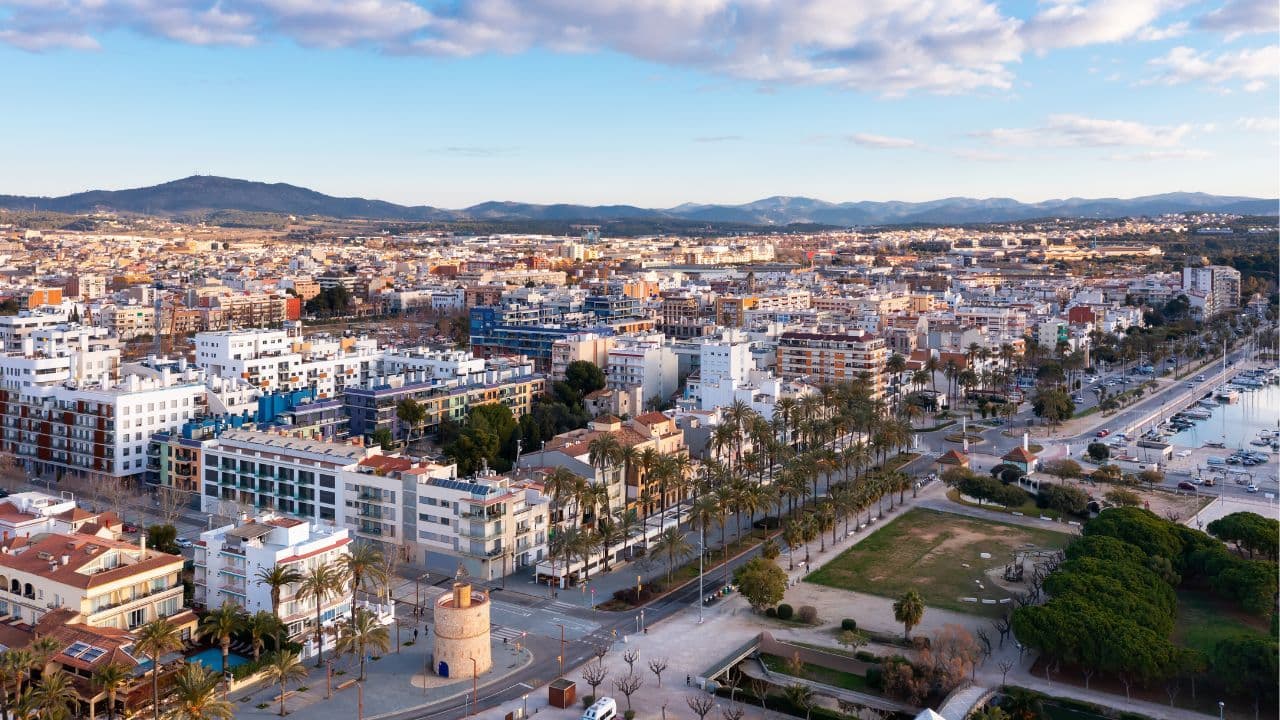
Living in Vilanova i la Geltrú: price per metre, train and bus to Barcelona, schools, hospital, neighbourhoods and what to check before buying a flat.
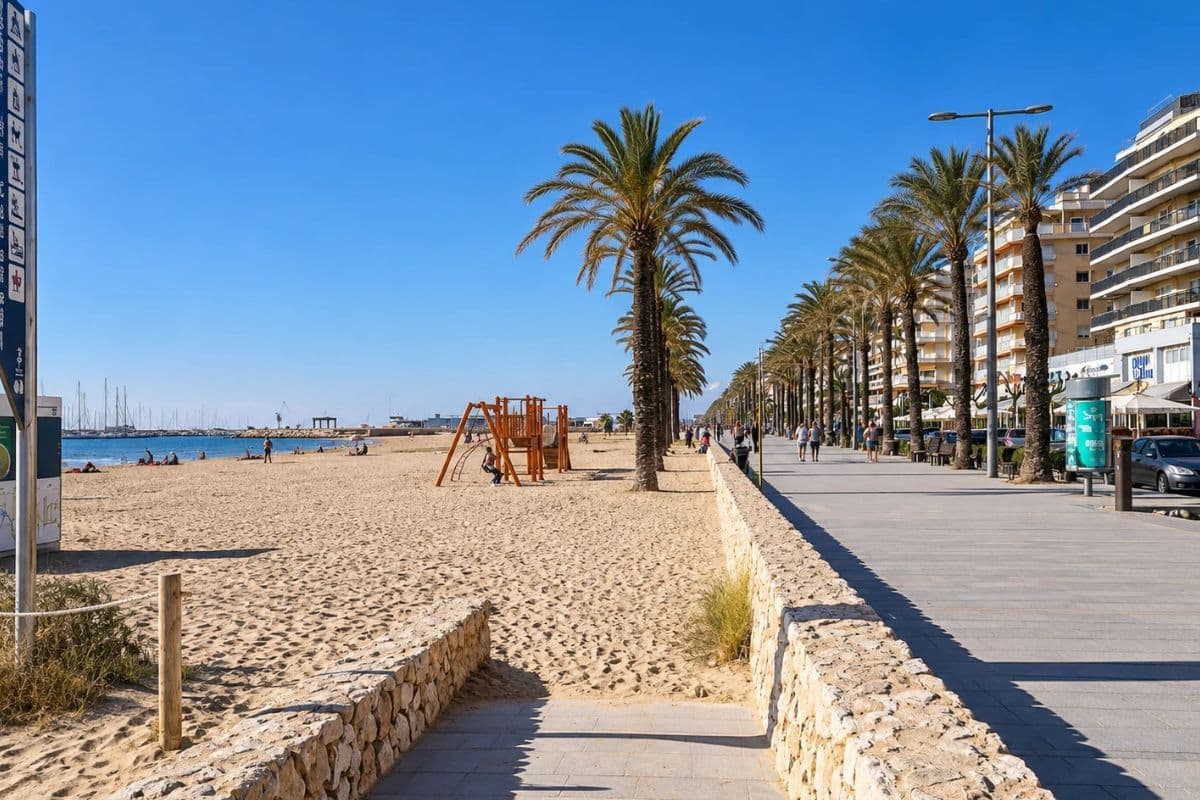
Living in Vilanova i la Geltrú means living in the capital of the Garraf, a town of 71,305 residents (Idescat, 2025) with a station on the R2 Sud commuter line, a hospital, a university engineering school and more than six kilometres of beach. It is a town of flats: according to the 2021 census, 81.8 % of main homes are in blocks of flats, and 78.6 % of all homes are primary residences.
Here is what is worth knowing before you buy or move to Vilanova i la Geltrú: prices, neighbourhoods, how to get to Barcelona, schools, healthcare and what to check in a building before you sign.
Key points
Price. Between July 2025 and June 2026, second-hand homes sold for an average of €2,795 per built m², almost the same as in Cubelles or Sant Pere de Ribes and less than half the price in Sitges.
Train to Barcelona. The R2 Sud reaches Barcelona-Sants in 42 to 48 minutes, with a train every 15 minutes during the day. Half of those trains start their journey in Vilanova.
Urban services. A hospital, three primary care centres (CAPs), 11 state primary schools and 5 state secondary schools, offering batxillerat (ages 16 to 18) and vocational training.
New builds. More than a third of the homes sold in the last year were new.
Ageing buildings. Almost half of all residential properties are over 45 years old, the age at which the building technical inspection (ITE) becomes compulsory.
Stressed market area. If you buy to let, there are limits on the rent you can charge.
How much does a flat cost in Vilanova i la Geltrú?
According to the property sales statistics of the Departament d'Habitatge, which publishes the Land Registrars' data, these were the average prices of second-hand homes between July 2025 and June 2026, compared with the neighbouring municipalities:
| Municipality | Second-hand (€ per built m²) | Average price of a second-hand home | Homes sold in a year |
|---|---|---|---|
| Vilanova i la Geltrú | €2,795 | €250,780 | 1,456 |
| Cubelles | €2,778 | €243,479 | 424 |
| Sant Pere de Ribes | €2,840 | €283,961 | 569 |
| Canyelles | €2,194 | €289,533 | 104 |
| Sitges | €5,736 | €568,143 | 557 |
The average second-hand home sold in Vilanova had 96 built m²; in Canyelles, 151 m², so the price per metre compares very different homes. In the same year 524 new homes were sold in Vilanova, and open-market new builds sold for an average of €3,217 per m². Within the town, the price of each flat depends above all on the street, the floor, whether there is a lift and its condition. We explain how the market is moving in house prices in Vilanova in 2026.
Which neighbourhood should you live in?
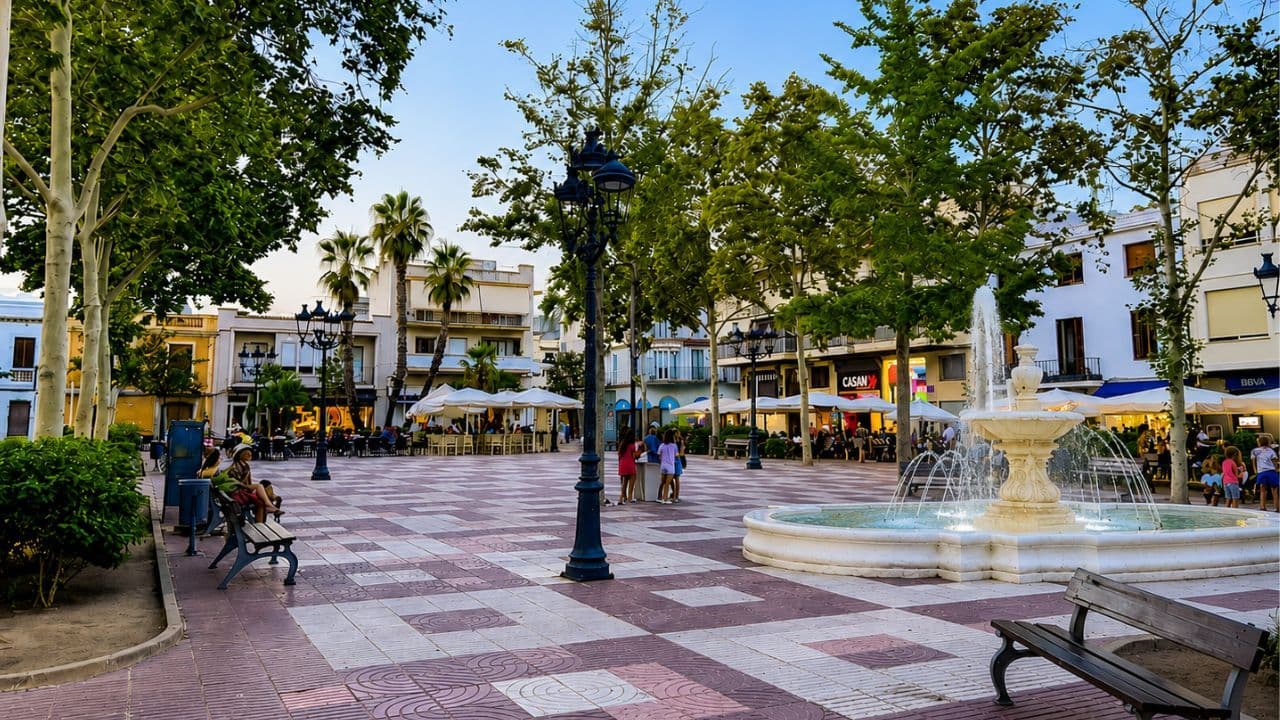
The neighbourhood determines how far you are from the station, the beach or school, and it also affects the price. Each neighbourhood in Vilanova has its own page, with what it offers and the homes for sale there. For example, Centrevila, the historic centre, with the Ajuntament (town council) and the shops; la Geltrú, the other old quarter, which gives the town its name; the Barri de Mar, with the station and the port, and Ribes Roges, facing the beach, west of the port.
How do you get to Barcelona from Vilanova?
By train
According to Renfe's November 2026 timetables, the R2 Sud line of Rodalies (commuter rail) takes between 42 and 48 minutes to Barcelona-Sants and between 48 and 54 to Passeig de Gràcia. On weekdays about 70 R2 Sud trains leave for Barcelona, up to six an hour in the morning peak. During the day, half of them start their journey in Vilanova and the other half come from Sant Vicenç de Calders, stop at fewer stations and are slightly faster. In addition, about 20 regional trains a day (R15, R16 and R17) reach Sants in 35 minutes. At weekends there is still an R2 Sud train every 15 minutes during the day. The first train to Barcelona leaves at 4:45, and the last one from Sants to Vilanova at 0:06.
Vilanova is in zone 4 of the integrated fare system: the four-zone T-usual costs €52.15 and gives unlimited travel for 30 days on the train, integrated buses and the metro.
By bus
The express buses to Barcelona, run by BusGarraf, leave from Plaça Eduard Maristany, next to the station, and stop at several points in the town:
e15.1, to the Gran Via. On weekdays, from 5:30 to 21:25, every 15 minutes for most of the day. About 65 minutes to Plaça d'Espanya.
e15.2, to the Diagonal. On weekdays, from 6:20 to 20:50, every half hour, with more departures early in the morning. About 75 minutes to Plaça de Francesc Macià.
Weekends and public holidays. One bus an hour, from 5:25 to 21:25, which goes via the airport (about 65 minutes to T1) and reaches Plaça d'Espanya in just over an hour and a half.
At night, when there are no more trains, the N30 night bus links Barcelona with Vilanova. By car, you get to Barcelona on the C-32.
Getting around Vilanova and the local area
The town bus service has two main lines. The L68, from Vilafranca del Penedès to the Càmping via the Parc Comercial, crosses the town every half hour every day, Sundays included. The L72 links Vilanova with Hospital Sant Camil, Sant Pere de Ribes and Sitges: on weekdays it runs every 20 minutes for much of the day; on Saturdays, every half hour, and on Sundays, every hour. A single ticket costs €1.70, and a T-10, €7.90. There are also buses to Cubelles, Cunit, Calafell, El Vendrell, Tarragona and Igualada.
Schools and university
According to the schools directory of the Departament d'Educació for the 2026-2027 school year, Vilanova has these schools:
| Type of school | Schools |
|---|---|
| State early years and primary schools | 11 |
| State secondary schools (ESO, secondary for ages 12 to 16, and batxillerat) | 5: Baix a Mar, Dolors Mallafrè i Ros, Francesc Xavier Lluch i Rafecas, Joaquim Mir and Manuel de Cabanyes. The last three also offer vocational training |
| Private schools (early years, primary and ESO) | 5: Divina Providència, El Cim, Escola Pia, Sant Bonaventura and Santa Teresa de Jesús. Escola Pia goes up to batxillerat |
| Nurseries (llars d'infants) | 4 state and 5 private |
There is also an official language school (Escola Oficial d'Idiomes), a music conservatory, an art school and the Escola Politècnica Superior d'Enginyeria de Vilanova i la Geltrú, part of the UPC, with bachelor's and master's degrees in engineering.
Doctors and hospitals
Primary care is divided into three basic health areas, depending on each home's address: CAP Sant Joan, CAP Jaume I and CAPI Baix-a-Mar. On Carrer de Sant Josep is the Hospital Sant Antoni Abat, part of the Consorci Sanitari Alt Penedès-Garraf, with A&E, surgery and outpatient clinics in several specialities. The area's reference public hospital is the Hospital Residència Sant Camil, in Sant Pere de Ribes, which has gynaecology and obstetrics, paediatrics and the intensive care unit.
Is Vilanova a second-home town?
Less so than the average for its area. According to the 2021 census, 78.6 % of homes in Vilanova are primary residences, compared with 73.6 % for the Garraf as a whole. And according to the 2024 seasonal population estimate by Idescat, the Catalan statistics institute, practically the same number of people live in the town over the year as are registered there as residents (97.8 %): there is little seasonal population. There were 431 registered tourist flats in 2024, according to the Diputació de Barcelona.
What to check before buying in Vilanova
The age of the building and the ITE. According to the Diputació de Barcelona, using 2024 Cadastre data, 45.6 % of residential properties in Vilanova are over 45 years old, and their average age is 41. In Catalunya, every residential building must pass the building technical inspection before it turns 45 and obtain the certificate of fitness (certificat d'aptitud). Ask for that certificate, and ask what works the report flagged and whether any special levies have been approved or are planned.
The lift. If the building is old, check whether it has a lift; if it does not, ask whether the community of owners has looked into installing one and how the cost would be shared.
If you are buying to let. Vilanova is a stressed residential market area, and the Generalitat extended the designation in October 2026. If the flat has not been let in the last five years, the rent cannot exceed the reference price index, and anyone who owns five or more homes in the area is considered a large landlord. As a guide, according to rental deposits lodged with Incasòl, the average rent in Vilanova was €845 a month in 2025.
The car and the low-emission zone. The centre is a low-emission zone from Monday to Friday, from 8:00 to 21:00, under the by-law approved in April 2026. It does not affect cars registered in Vilanova, even if they have no environmental label; cars from elsewhere without a label get 24 passes a year.
If you are selling, it is worth having the ITE certificate of fitness, the energy performance certificate and the community of owners' accounts to hand before putting the flat on the market.
Who does living in Vilanova i la Geltrú suit?
People who work in Barcelona and want to commute by train, with a train every 15 minutes and less than 50 minutes to Sants.
Families who want to be close to a primary school, a secondary school offering batxillerat, the doctor and the hospital.
People looking for a flat near the sea at a price per metre similar to Cubelles or Sant Pere de Ribes.
People who want to live there all year round in a town where almost eight out of ten homes are primary residences.
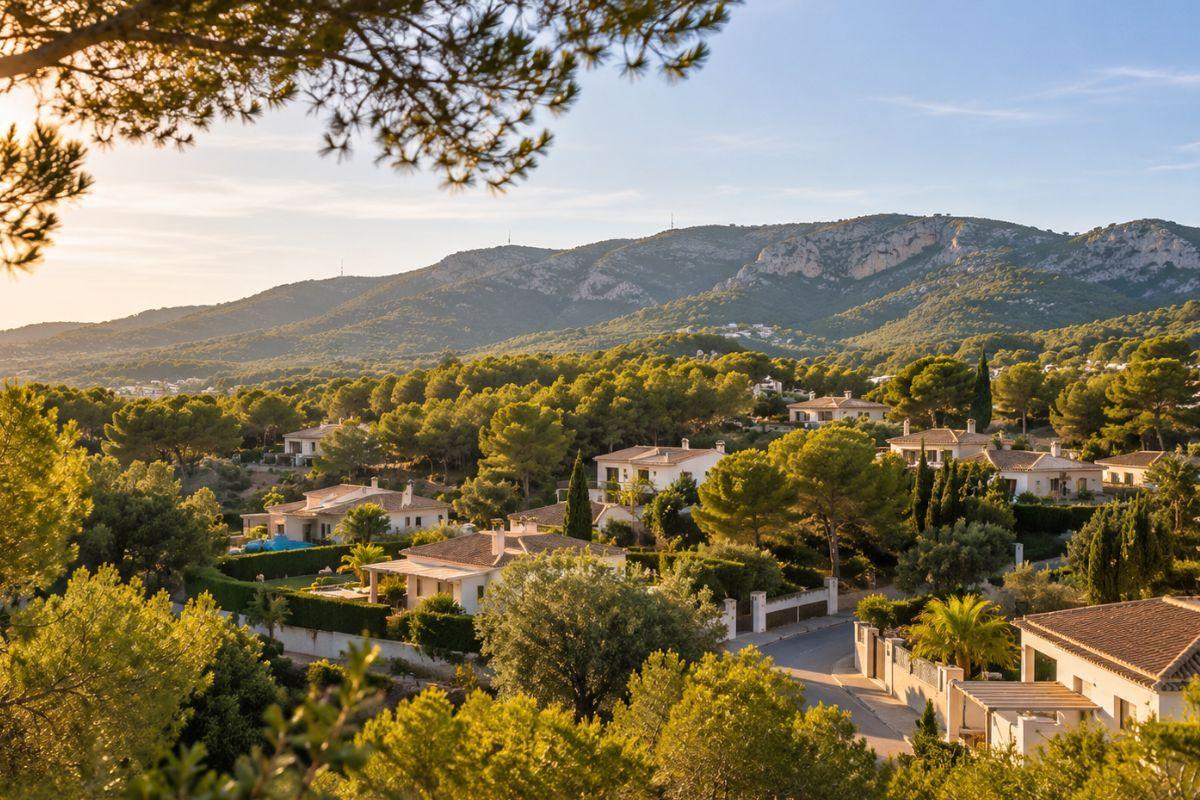
It suits you less if you are looking for a house with a garden, as they are a minority in Vilanova. In that case, compare it with living in Sant Pere de Ribes or in Canyelles and Olivella.
If you have a home in Vilanova i la Geltrú and you are thinking of selling it, we can value it using real sales in the area and explain how we would sell it.
Keep reading
Still have a question?
Ask us anything about your home or the one you're looking for. When you call, one of us will answer: Ariadna or Xavier.