Certificate of occupancy (cédula de habitabilidad): what it is, how much it costs and when it expires

The certificate of occupancy (cédula de habitabilidad) proves that a home meets the minimum conditions to live in. Find out how much it costs and when it expires.
Selling in Vilanova i la Geltrú or the Garraf? This is how we do it, area by area. And if you'd like a figure first, ask for a free valuation.
The certificate of occupancy (cédula de habitabilidad) is one of the most important documents in any home sale in Catalunya. However, many owners only find out it exists when they already have an interested buyer or when they are preparing the paperwork for the sale.
Although it may seem like a simple administrative formality, this document proves that a home meets the minimum conditions to be lived in and, in many cases, it is essential for completing certain procedures.
If you are thinking about selling a home in Vilanova i la Geltrú, Sitges, Cubelles, Sant Pere de Ribes or any other municipality in Catalunya, it is worth knowing exactly what the certificate of occupancy is, when it is needed and how to obtain it.
Key points
What is it? The certificate of occupancy (cédula de habitabilidad) proves that a home meets the minimum conditions to be lived in: floor area, ventilation, lighting, basic installations and hygiene.
Do I need it to sell? In Catalunya, in most cases, yes. There are exceptions for older or very particular properties, but buyers, banks and notaries usually ask for the paperwork to be in order.
How long does it last? It depends on the type. The second occupation certificate, the usual one when selling a used home, is valid for 15 years; the one for new-build homes, for 25 (Decret 141/2012, art. 9).
How do I know if mine is still valid? Find the original document and check the date of issue. It is worth doing before putting the home on the market: many homes have a certificate, but it has expired.
How do you get one? A technician, normally an architect or a technical architect, inspects the home. If they find problems, such as a lack of ventilation or floor areas smaller than required, some work will be needed first.
How much does it cost? It depends on the professional and the characteristics of the home, plus the administrative fees. The sensible thing is to ask for several quotes.
What is the certificate of occupancy?
The certificate of occupancy is a document issued by the Generalitat de Catalunya that certifies that a home meets the minimum habitability requirements set out in current regulations.
Among other things, it proves that the home has:
Minimum habitable floor area.
Adequate ventilation.
Sufficient lighting.
Basic installations.
Minimum health and hygiene conditions.
In other words, it confirms that the home is fit to be used as a residence.
Is the certificate of occupancy mandatory?
In Catalunya, the answer is yes in most cases.
The certificate of occupancy is usually required to:
Sell a home.
Rent out a home.
Sign up for certain utilities.
Change the account holder for some services.
For this reason, it is advisable to check that it is still valid before putting a home on the market.
What types of certificate of occupancy are there?
There are currently different types depending on the age and characteristics of the property.
First occupation
Issued for newly built homes.
First occupation after refurbishment
Used when a home has undergone certain comprehensive renovations that require a new certification.
Second occupation
This is the most common one for resale homes and the one that usually comes into play in most sales.
How long does a certificate of occupancy last?
Its validity depends on the type of certificate. In Catalunya, under Decret 141/2012 (art. 9), the first occupation certificate, which applies to new-build homes, is valid for 25 years. The second occupation certificate, which is the usual one when buying and selling used homes, and the first occupation certificate after refurbishment are valid for 15 years.
For this reason, before putting a home up for sale it is worth checking the date of issue: many homes have a certificate, but it has expired.
How can you tell if a certificate is still valid?
The simplest way is to find the original document and check the date of issue.
If you do not have the paperwork, you can also check through the channels provided by the Generalitat de Catalunya.
Before starting a sale, it is advisable to verify this to avoid delays when a buyer appears.
How do you obtain a certificate of occupancy?
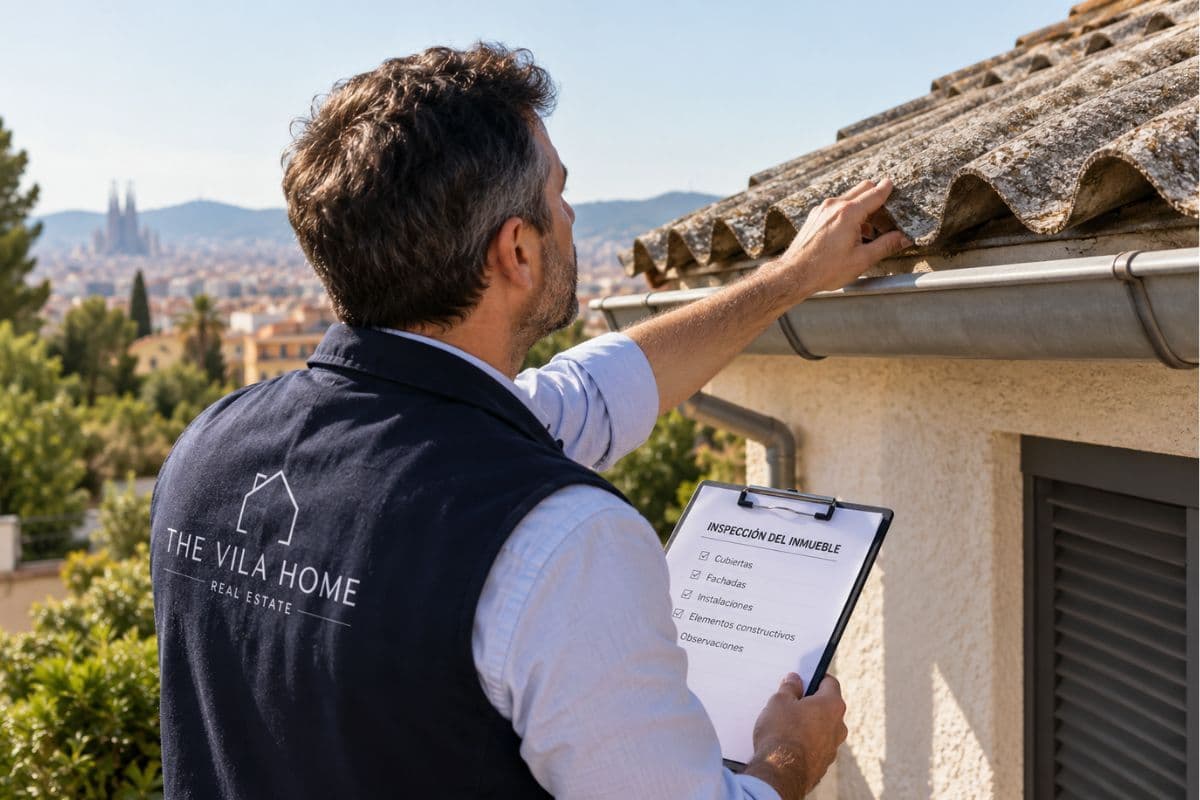
The procedure usually begins with a visit from a qualified technician, normally an architect or a technical architect.
During the inspection, aspects such as the following are reviewed:
Usable floor area.
Layout.
Ventilation.
Lighting.
General condition of the home.
Once the inspection has been carried out and it has been confirmed that the home meets the required standards, the technician issues the corresponding certificate and the application is submitted to the authorities.
How much does a certificate of occupancy cost?
The cost can vary depending on the professional you hire and the characteristics of the home.
The fee is usually approximately between 80 and 200 euros.
To this cost you must add, where applicable, the corresponding administrative fees.
For this reason, it is advisable to ask for several quotes before hiring the service.
What happens if the home does not meet the requirements?
In some cases the technician may find issues that prevent the certificate from being obtained straight away.
For example:
Lack of ventilation.
Floor areas smaller than required.
Layouts that do not comply with regulations.
Significant construction defects.
When this happens, certain work will normally need to be carried out before the documentation can be obtained.
Can you sell a home without a certificate of occupancy?
The answer depends on each specific case.
There are certain exceptional situations, especially with older properties or those with specific characteristics, where the sale can be approached differently.
However, in practice, most buyers, financial institutions and notaries usually ask for the paperwork to be properly in order.
For that reason, the best course of action is to have a valid certificate before starting to market the property.
The importance of checking your paperwork before selling
The certificate of occupancy is part of the set of documents that should be ready before putting a home on the market.
Other equally important documents are:
Having all the paperwork ready from the start usually speeds up the sales process and gives buyers greater confidence.
Conclusion
The certificate of occupancy is a fundamental document in most property transactions in Catalunya. It proves that a home meets the minimum conditions to be lived in and is usually necessary to sell, rent out or carry out certain procedures relating to the property.
If you are thinking about selling a home, checking that the certificate is still valid can help you avoid delays, incidents and problems during the transaction.
Keep reading
Thinking of selling?
We call you, come and see it, and tell you what it's worth and how we'd sell it.